- Wild Style Magazine
- Patios and Pergolas
- Can a pea gravel patio work and how do you keep it in place
Can a pea gravel patio work and how do you keep it in place
A pea gravel patio offers a budget-friendly way to build a backyard seating area. Learn how to lay a firm base, add edging and keep loose stones in place.
Words by Rory Sundquist9 min to read
A pea gravel patio works well as a fast, budget-friendly surface for outdoor seating. You can lay a loose stone patio with basic hand tools. The small stones will shift underfoot and escape into your lawn unless you trap them. A hard base layer and solid border edging keep the gravel locked in place.
Where pea gravel works and where it does not
Pea gravel suits flat yards and casual seating areas well. The small, rounded stones create a soft, informal look without sharp edges because rushing river water tumbled them smooth. They let rainwater drain straight through to the soil below, making gravel a good choice for a low spot in your yard that takes a while to dry out.
Stone does not burn, but check your fire pit's clearance instructions and local rules before placing one nearby. Loose stone also works as a flexible fill for oddly shaped corners because you do not have to cut blocks to fit awkward angles. You might want to review small yard layout ideas to see how loose stone fills irregular spaces.
Loose rock often copes with freezing weather well. A solid concrete slab can crack during a deep freeze when the ground heaves. Loose gravel just shifts and settles back down. That flexibility can help in cold climates.
These small stones are a poor fit for slopes because loose rock tends to travel downhill. The gravel can wash down a hill during heavy rain and into your lawn. Pea gravel is also a poor choice right next to a house entrance. People and pets track the tiny stones indoors where they get trapped in shoe treads and scratch wood floors.
Avoid putting a loose stone patio right next to an unprotected grass lawn. A spinning lawnmower blade can throw stray stones, which is a hazard to people and windows. You need a wide buffer zone or a tall physical barrier. Also skip pea gravel if you need a perfectly smooth surface for dining tables, since the table legs will sink unevenly into the rocks.
Dig out and lay a firm base first
A loose stone patio needs a rigid foundation buried beneath it. You cannot just pour pea gravel directly on top of bare grass. The soft dirt will swallow the stones over time. Weeds will eventually take over the entire surface.
Call your state utility marking service before you push a shovel into the earth, because hitting a buried power line or water pipe ruins the project. Once you know the ground is clear, mark your patio outline with bright spray paint or chalk dust. Dig out the grass layer and the loose topsoil to make room for a thick base layer and the final gravel top. Use a heavy flat shovel to keep the bottom of your hole flat and even.
Digging out a patio creates a massive pile of loose dirt. You need a plan to get rid of it. You can build up low spots in your yard. You can also rent a roll off dumpster for a quick cleanup.
Compact the exposed soil base using a rented heavy steel hand tamper for a small seating area. A hand tamper is a heavy square of steel on a stick, and it takes serious physical effort to pound the dirt flat. Rent a gas powered plate compactor for a larger patio space. A hard dirt floor stops your entire patio from sagging and sinking later on.
Lay a sheet of commercial weed barrier fabric over the packed dirt. Overlap the fabric edges by a wide margin and pin the fabric down securely with heavy steel landscaping staples. This tough fabric stops weeds from pushing up from the deep soil. It also keeps your crushed stone base from mixing into wet mud.
Pour crushed angular stone mixed with fine stone dust over the fabric to form your hidden sub-base. Spread this heavy rock evenly and tamp it down extremely hard so the jagged stone edges lock together. Spray a little water over the rock while you tamp to help the fine dust settle and bind the stones. This solid rock base prevents your patio from turning into a spongy mess after a heavy storm.
Use edging and a grid to hold stones in
Pea gravel pieces are round and smooth. The stones never lock together. They slide away from pressure like loose marbles on a hard floor. You need a strong physical border to keep them contained.
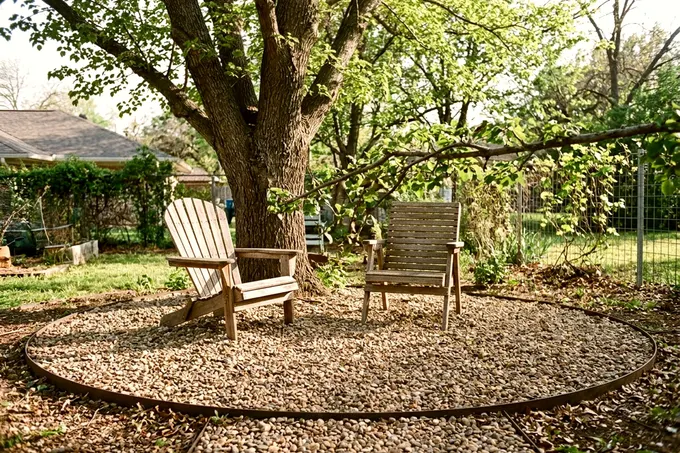
Install a rigid border like heavy treated timber, steel landscape edging, poured concrete curbs or heavy paving blocks around the patio perimeter before you add top gravel. Pin the border tight to the crushed stone sub-base. Wood timbers need long steel rebar stakes driven through them and into the soil. For steel edging, drive the matching steel spikes deep into the hard sub-base.
The top of the edging must sit slightly higher than your final gravel height. The border acts as a miniature retaining wall. If the stones sit higher than the edge, they will spill over onto the grass. Solid garden edging borders share similar rules for keeping loose dirt neatly contained.
Consider using a stabilizing grid for heavy foot traffic areas. A plastic honeycomb grid comes in large flexible sheets and sits directly on top of your crushed stone base. You lay the sheets over the rock base and trim them with heavy shears. Finally, fill the hollow plastic cells with your chosen pea gravel.
The rigid grid walls trap the loose stones in small individual pockets so the gravel cannot shift or slide away under your heavy boots. The grid stays completely hidden just below the top surface. This grid method costs extra money up front. It saves you from constantly raking stray stones back into place week after week.
How deep the gravel should be
Keep the top layer of pea gravel very thin. Too much loose stone feels like walking in deep sand at the beach. You want just enough gravel to hide the ugly base layer beneath it.
Spread a shallow layer of pea gravel over the firm sub-base or the plastic stabilizing grid to prevent your shoes from sinking in and twisting your ankles. The solid crushed rock base below does all the hard work supporting your body weight. The pea gravel just acts as a decorative outer skin. A shallow layer gives you the color you want without the mushy feeling, and your gravel supplier can tell you the right depth for your base.
Buying bags from a hardware store works for a tiny bistro corner. A full size seating area requires a bulk delivery. A local landscape supply yard will dump a large pile on your driveway. You will need a heavy-duty steel wheelbarrow and a strong back to move the stone to the backyard.
Bulk pea gravel arrives covered in fine dust. Spread the stone out evenly across your patio space. Spray the whole patio down with a garden hose. The water washes the dust down into the base layer and reveals the true color of the clean stones.
Buy slightly more gravel than your initial estimates suggest. You will need extra rocks to fill bare spots after the patio settles into the base. Keep a few spare bags in a dry shed for future repairs. You will lose some stones over time to heavy foot traffic and rough yard cleanups.
Furniture and walking comfort on loose stone
Loose gravel requires specific types of patio furniture. Narrow metal chair legs sink straight through the stones and hit the hard base below. You will end up sitting at an awkward angle. Heavy patio furniture with wide feet sits best on a pea gravel surface.
Look for outdoor chairs with solid sled bases where the continuous metal bar distributes your weight across a wide area of stone. Thick wooden benches and heavy solid block tables also work extremely well. If you have thin legs on your favorite patio chairs, attach wide rubber furniture cups to the bottoms. The cups stop the legs from piercing the gravel layer.
Walking on pea gravel requires sensible shoes. High heels sink instantly and ruin the shoes. Bare feet might find the round stones slightly uncomfortable after standing for a while. The loose surface can also get hot on a sunny summer afternoon.
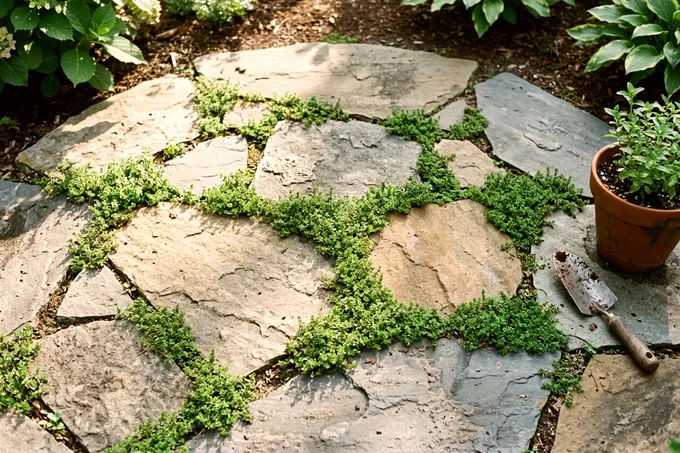
Provide a clear path of heavy stepping stones through the middle of the seating area. Flat flagstones or large concrete pavers give people a solid flat walkway. Dig a shallow hole into the crushed rock base for each stepping stone and bed the stones in a layer of coarse sand. Use a rubber mallet to pound them flat and level.
Sink these heavy stepping stones so their flat tops sit flush with the gravel surface. This prevents a tripping hazard and makes the space easier to cross. Heavy stones also give a solid flat base for a heavy grill. If you want to expand your setup later, review how to plan a DIY outdoor kitchen for heavy counter placements.
Raking, topping up and weed control
A gravel patio demands regular light maintenance. The loose stones will shift around as you walk across them. Dead leaves and broken twigs will blow in and get trapped among the rocks.
Use a flexible metal leaf rake to smooth the rough surface. Rake lightly to avoid dragging up the weed fabric or the crushed rock base material. You only need to smooth the very top decorative layer. Do this before you expect company or right after a heavy rain storm.
A leaf blower clears fallen leaves quickly. Keep the blower motor speed low and hold the air nozzle high. Too much air pressure blasts the gravel right out of the patio and onto the lawn.
Winter weather brings a major headache for a gravel patio because a snow blower can pick up stones and get damaged. A snow shovel can catch the stones and throw them into the yard. You may need to let the snow melt naturally. If you absolutely must clear a path, use a stiff push broom to sweep the light snow away.
Weeds will eventually grow in the loose gravel. The tough barrier fabric underneath stops deep roots from taking hold, but it cannot stop tiny weed seeds blowing in from the trees above. Blowing dirt and decaying leaves create a perfect compost layer hidden between the stones. New seeds sprout easily in this shallow dirt trap.
Pull tiny weeds by hand while they remain small, doing this after a soaking rainstorm when the dirt gives up roots easily. A propane weed torch kills stubborn green weed growth without harsh chemicals by boiling the water inside the plant cells. Follow the torch maker's instructions and keep the open flame far away from plastic borders, dry leaves and your vinyl house siding.
Top up your patio gravel as it thins. Rake the existing clean stones toward the middle of the patio space and pour fresh gravel around the bare outer edges. Rake everything flat and smooth again. The new stone brings back the bright, clean color your patio had on the day you built it.