- Wild Style Magazine
- Roofing
- 6 types of roof shingles and where each one fits
6 types of roof shingles and where each one fits
Compare the different roof shingle types before your next project to find the right match for your climate, budget and neighborhood rules.
Words by Reuben Stillwagon5 min to read
The different roof shingle types break down into asphalt, wood, natural slate and synthetic materials. Asphalt shingles are the most familiar choice, while wood, slate and synthetics suit particular looks and climates. Knowing the traits of each material helps you choose the best roofing shingles for your home.
1. Three tab asphalt shingles
The Asphalt Roofing Manufacturers Association says the three tab shingle is the most common type of strip shingle. Manufacturers cut notches into a single layer, and the cutouts create the repeating tab pattern. They give the roof a flat, uniform look.
They are a thinner, single layer option. Check the manufacturer's wind rating and warranty for the product.
Ask your roofer whether they suit your climate and the condition of your roof deck. Lifespan depends on local weather and the product, so compare warranties.
2. Architectural asphalt shingles
The Asphalt Roofing Manufacturers Association notes that laminated shingles have more than one layer of tabs for extra thickness. Roofers also call them architectural or three dimensional shingles. The extra layers give the roof visual depth.
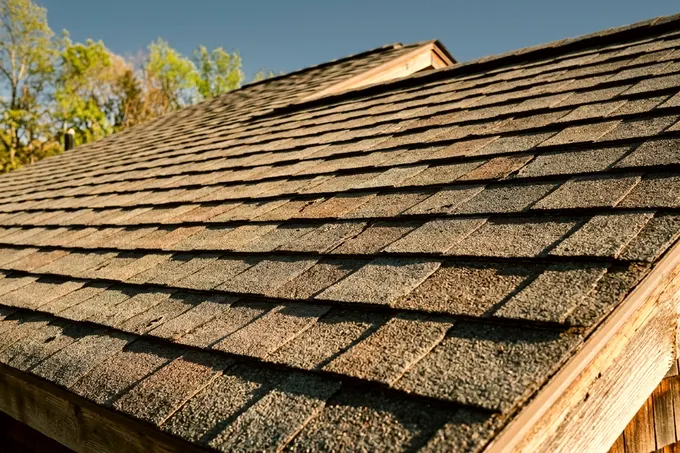
ARMA calls them a favorite among builders, roofing contractors and homebuyers. Compare warranties and wind ratings with three tab options before you decide.
Homebuyers know the look. Your actual lifespan depends on your local weather and how well your attic breathes.
3. Interlocking and designer asphalt shingles
Wind is a concern in some regions. The Asphalt Roofing Manufacturers Association says interlocking shingles fasten mechanically to each other to give greater wind resistance. Because they lock to each other, the shingles resist wind better, so ask for the product's wind rating.
Designer asphalt shingles come in various shapes and sizes, and some are made to resemble slate or wood shakes. Ask your roofer to show samples.
These specialty products can give a slate or shake look at a lower weight than the real material, so ask your roofer to compare weights and costs. Local wind rules or historic neighborhood rules may also steer your choice.
4. Wood shakes and shingles
Builders cut wood shingles flat and smooth on both sides with a saw. Wood shakes are split by machine or by hand to leave a rough and rustic surface.
Both types are often made of cedar, which has some natural resistance to rot and insects. They look good on traditional homes.
A fresh wood roof starts out brown or red and fades to silver gray over time. Wood roofing needs regular upkeep.
Moss and mildew can grow on shaded sections under trees, and washing or treating a roof is a job for a roofer, not a ladder project. Fire is a concern for wood roofs, and some local rules limit them in wildfire areas, so ask your building department.
5. Natural slate
Slate is real stone pulled from the earth and split into flat tiles. Colors vary by stone, so look at samples. Ask the supplier for fire and wind ratings and for the product's expected life.
Slate is heavy, so have a structural engineer or roofer check that your roof frame can carry it before you decide. Slate also calls for a contractor with slate experience.
Ask any roofer you consider for slate jobs they have done and for references. Ask which flashing and fasteners suit slate. This material may suit historic homes or homes built to last for generations.
6. Synthetic slate and shake
Synthetic shingles are made from plastics, rubber or other composites to copy the look of slate or cedar. Ask for samples to judge the color and texture in daylight.
Weight varies by product, so ask the maker for it and ask a pro whether your roof frame can carry the load.
Ask the maker about hail and impact ratings and about the warranty. Synthetics may suit a homeowner who wants a slate or shake look and whose roof structure cannot carry real stone.
Fire ratings, cool shingles and local reroofing rules
Local building codes dictate what you can put on your house. The Asphalt Roofing Manufacturers Association says asphalt shingles carry Class A, B or C fire ratings set by national standards and tested by independent agencies. Class A offers the highest fire resistance. Some wildfire areas require a Class A rating, so ask your building department.
You also have to follow tear off rules. The Asphalt Roofing Manufacturers Association notes that some local ordinances forbid reroofing over two or more layers of shingles. Extra layers add weight, so ask a roofer to check whether the roof deck can carry another layer.
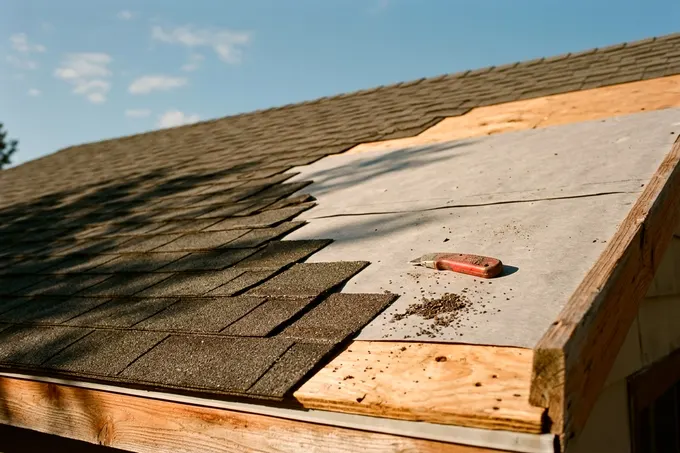
Your roofer may recommend tearing off the old layers before new materials go down. Knowing what happens during a roof replacement helps you prepare for the noise and the mess of that process.
If you live in a hot climate, ask your roofer about cool colors. The Department of Energy says cool asphalt shingles cost about the same as conventional asphalt shingles. Cool shingles reflect more sunlight, which the Department of Energy says helps lower indoor temperatures. Savings vary by climate and house, so ask your roofer.
Spotting wear from the ground and choosing with your roofer
The California Contractors State License Board says that whatever the roofing material, the best way to preserve your roof is to stay off it. Walking on shingles can damage them. You can spot most trouble safely from the yard.
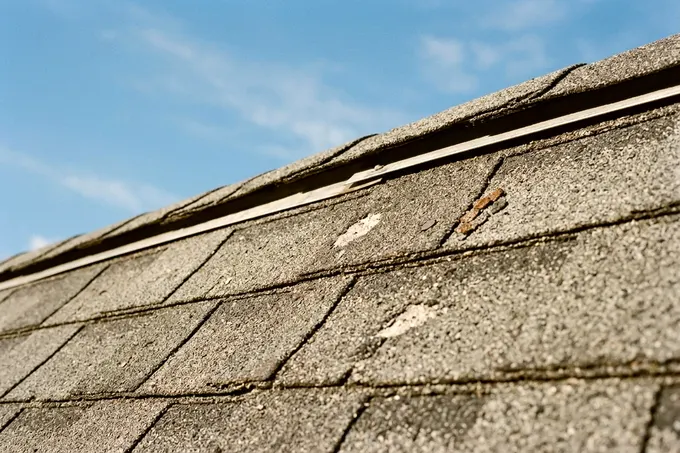
Grab a pair of binoculars and scan the roof. Look for curled edges, missing tabs and bald spots where the black asphalt shows through the color.
Look at the ground below the downspouts for loose granules, and do not climb up to check the gutters. When you see signs of failure, talk to multiple roofing contractors before you pick a material. Ask what they recommend for your specific street.
A good contractor will explain how wind patterns and tree shade on your lot affect different materials. Comparing options with a local pro helps you choose a roof that suits the weather and your budget. If you are debating between shingles and steel, read up on metal roof or asphalt shingles to see how they match up.