
- Wild Style Magazine
- Roofing
- 4 flat roof materials and how they hold up
4 flat roof materials and how they hold up
Compare EPDM, TPO, modified bitumen and elastomeric coatings to see how four common flat roof materials hold up on low slope roofs.
Words by Reuben Stillwagon5 min to read
Standard flat roof materials like EPDM, TPO, modified bitumen and elastomeric coatings protect your home by forming a continuous waterproof sheet against standing water. The Department of Energy describes low slope roofs as those with a pitch of 2:12 or less. Steeper structures can use metal or asphalt choices, but this article covers four options for a flat or low slope roof.
1. EPDM rubber membranes
EPDM is a synthetic rubber roofing membrane used on low slope roofs. The manufacturer Carlisle says black EPDM roofs have been used for more than 50 years and white EPDM for more than 30 years. Workers roll the rubber out in large sheets and join the edges to create a continuous barrier. The sheets go down over insulation boards and attach with strong adhesives or mechanical fasteners.
Seams are a common weak point on a flat roof, since water can find tiny gaps if rubber shrinks or glue ages. Carlisle says factory applied splice tape on its EPDM is meant to improve seam quality. Ask the roofer how the seams will be made and checked, since a poor seam can let wind catch an edge.
A black rubber roof absorbs heat well, which Carlisle says helps melt frost, dew and ice. If you live in a hot place, a white membrane reflects sunlight to keep the rooms underneath cooler. Keep branches off the rubber so they do not puncture the surface.
2. TPO single ply membranes
TPO stands for thermoplastic polyolefin, which comes in large rolls that a crew spreads over the roof deck. The Department of Energy points out that cool thermoplastic membranes are available for low slope roofs. The agency notes a white or cool color roof reflects up to 90% of the sunlight that hits it. The Department of Energy says this lowers indoor temperatures and reduces the need for air conditioning.
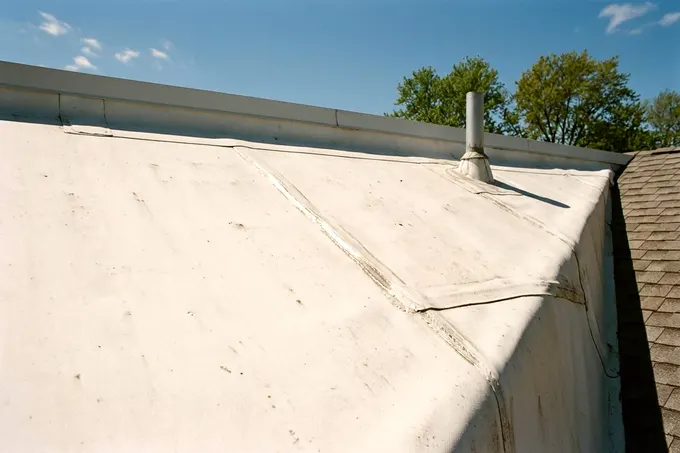
Roofers use hot air to weld TPO seams together. The intense heat melts the overlapping edges into a single sheet of plastic that stops water from sneaking past the joints. Ask the roofer how the seams will be welded and checked.
Keep branches and debris off the membrane, and check the maker's care instructions before cleaning the surface. You can read about what happens during a replacement if you plan to hire a crew to install TPO. A clean tear-off gives the new membrane a smooth surface to lie on.
3. Polymer modified bitumen
Modified bitumen is a thick sheet similar to traditional asphalt roofing. Manufacturers blend asphalt with rubber or plastic polymers to make the material flexible. Leave any walking on the roof to a licensed roofer.
Installers roll the sheets over the roof deck and seal the seams. Some versions are installed with a torch, which is work for trained roofers only, while others use cold adhesives. The overlapping layers create a redundant barrier against rain. The top surface often has mineral granules.
This material often goes down in multiple layers to build a thick, waterproof shell. A base sheet covers the wood deck or insulation, and a cap sheet goes on top to take the weather.
4. Elastomeric coatings over an existing roof
Sometimes your existing membrane still keeps the rain out but looks worn. The Department of Energy says it is rarely economical to replace a mechanically sound roof just to increase its solar reflectance. Elastomeric coatings are one way to refresh the surface without tearing off the old materials, if a roofer finds the roof sound. Workers paint or spray this liquid rubber directly over the clean roof.
Many coatings dry into a waterproof film over the old roof, but the maker's instructions and a roofer's inspection decide whether yours is a good candidate. A white coating adds solar reflection to an older black roof, which the Department of Energy says reduces the need for air conditioning. A coating may cost less than a full replacement, so ask a roofer to compare.
Preparation determines how well a coating works, as the old roof must be completely clean and dry before the liquid goes on. Dirt or damp spots stop the new coating from sticking. Workers spend time sweeping, washing and patching small holes first. The roofer then applies the coating following the maker's instructions.
Checking seams and drains from a window
You can check the basic health of a low slope roof without climbing a ladder by looking out a higher window after a heavy rain. Flat roofs rely on slight angles to push rain toward scuppers or internal drains. Puddles that stay for days can point to poor drainage. Standing water can give water time to find a weak spot.
Look at the edges and seams while you have a clear view. Peeling tape or lifting edges may let water inside. Look for dark spots around drains where leaves block the flow. A clogged drain can leave water standing on the roof, so mention dark spots near drains to a roofer.
Pay attention to the metal flashing where the flat roof meets a brick wall or a house siding. The flashing keeps water from sliding down the wall and behind the roofing material. Loose or rusty metal is worth showing to a roofer.
Why inspections and repairs go to a licensed roofer
A flat roof requires specific skills and tools to fix safely. The National Roofing Contractors Association says maintenance is the single most important factor, after proper installation, in determining a roof system's life span and cost. A licensed roofer can inspect the roof and tell you whether a problem calls for a repair or a replacement.
The NRCA lists built up roofing, polymer modified bitumen, EPDM and TPO among the membranes covered by its hands-on repair training. Repairs depend on the membrane type and the maker's instructions. Leave the heat welding and chemical adhesives to a licensed contractor who understands the materials.
A local roofer is usually familiar with the rules in your town, which vary by place. Your city building department can tell you if a repair requires a permit before the work starts. Ask the contractor who handles the permit and the inspections.


