- Wild Style Magazine
- Garden Design
- Starting an herb garden you will actually use in the kitchen
Starting an herb garden you will actually use in the kitchen
Start a kitchen herb garden near your back door with easy plants like basil and thyme. Learn how to match sun needs and harvest stems for bushy growth.
Words by Sybil Rademaker7 min to read
A kitchen herb garden works best when you plant it steps away from your back door. Choose the staple flavors you cook with every week. Match each plant to the sun it needs and snip the stems constantly. Your plants will grow thick and supply fresh meals all season.
Put the garden right by the kitchen door
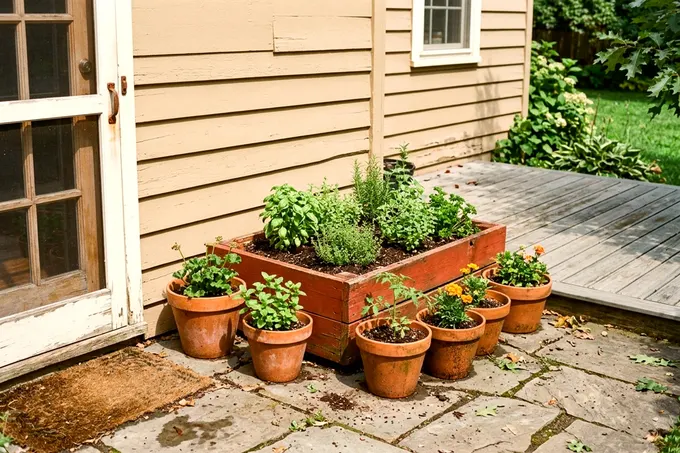
If you walk across a wet lawn in the dark, you will use dried flakes instead. Keep your plants right outside the door you use most. A spot on the patio or next to the back steps works well. You want to step out barefoot while a pot boils on the stove.
Before you plant, clear the ground of rocks and pull out any existing weeds by the roots. Break up the hard dirt with a shovel. Mix in a thick layer of aged compost to feed the plants through the summer.
You can test your drainage by digging a shallow hole and filling it with a bucket of water. If the water sits in the hole for hours, the soil drains poorly and can rot delicate roots. If you have heavy dirt, build raised garden beds to lift the roots out of the mud. Raised soil also warms up faster in the spring.
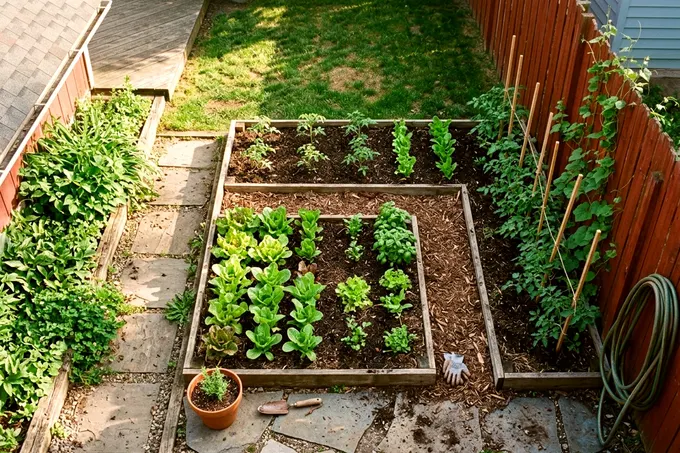
You can add a border of bricks or stone to define a ground level space. Solid edging stops lawn grass from creeping into your fresh soil. Watch where the rain falls from your roof because a spot right under a valley will wash your dirt away during a heavy storm. Pick a place that gets natural rain but sits clear of major runoff.
Six staple herbs that earn their space
A basic lineup covers most recipes and grows without constant fuss.
Basil brings a sweet flavor that defines summer cooking. The leaves bruise easily and turn black if handled rough, so keep the stems sheltered from harsh winds. Basil hates the cold and suffers in frost. Plant it close to the house where the walls hold evening heat.
Thyme forms a low mat of tiny leaves, and upright varieties work best for the kitchen. You can strip the leaves easily by pinching the top of the stem and pulling your fingers backward. Thyme often survives cold winters and comes back in the spring. It works as an edging plant along a walkway.
Rosemary grows into a thick shrub with needle leaves that stand up to heavy roasting. A lone plant provides plenty of flavor for a whole household, though the branches get thick and woody over time. The roots rot quickly in muddy ground, so plant it in the driest part of your yard. The plant rarely needs fertilizer and thrives on sheer neglect once established.
Parsley offers a fresh taste that cuts through rich foods. Flat leaf parsley holds better flavor for cooking, while the curly type works well for an edible garnish. The plant may flower and fade in a later season.
Chives grow in grassy clumps and taste like mild onions. Cut the hollow leaves all the way down at the dirt line so new spears can push up from the roots. The plants sprout round purple flowers. You can eat the flowers or pull them off to encourage more leaves.
Mint finishes out the group with a sharp and sweet flavor. Peppermint and spearmint offer different tastes, so smell the leaves at the nursery before you buy. You can drop the leaves into drinks or chop them over roasted vegetables.
Match your plants to the sun they need
Herbs develop their essential oils based on the light they receive. Mediterranean plants like rosemary, thyme and basil demand a spot in full sun for most of the day. Without bright light, they grow tall and weak as the stems stretch out looking for the sun. The flavors can turn dull.
Other plants burn crisp in hot afternoon sun. Parsley, chives and mint prefer a break from the heat and grow well with morning sun and afternoon shade. Morning sun dries the overnight dew off the leaves, which helps limit powdery mildew. If your yard lacks natural shade, plant them behind a taller shrub or a solid fence line.
Check how the light moves across your yard before you dig. A spot might look sunny in the morning but fall under a deep shadow by noon. Understanding what your garden zone means helps you know if perennials like rosemary will survive your winters.
Soil temperature also matters, as full sun heats the ground quickly. Add a layer of wood mulch around your sun loving plants to trap moisture. Check the soil with your finger before grabbing the hose, and water only when the top dirt feels totally dry. Plants in the shade stay damp longer and need less frequent watering.
Grow mint in a pot so it stays put
Mint grows completely out of control in open ground. The plant sends thick root runners outward in every direction just under the soil. A small sprig can overrun a flower bed. Pulling it out takes constant work because every broken root piece grows a new plant.
You solve this by keeping mint in an isolated clay or plastic pot. Lift the container onto a few bricks on a paved patio or a solid wooden deck so the drain hole stays clear. If you set the pot on bare dirt, the roots will escape through the drainage hole. They burrow right into the soil and start spreading as if the pot was not there.
Potted mint needs more frequent water than ground plants. The soil in a container dries out quickly in the summer wind. Check the pot every few days. Soak the soil until water pours out of the bottom drain hole.
The plant will eventually fill the entire pot with tangled roots. When the stems stop growing, pull the root ball out. Chop the roots apart with a sharp shovel. Throw a section away and replant the rest with fresh soil.
Start with transplants and sow the rest
Growing everything from seed sounds nice but frustrates a beginner. Woody herbs like rosemary and thyme grow extremely slowly and take a long time to reach a useful size. Buy established transplants from a local nursery instead. A healthy young plant gets you harvesting right away.
Nursery plants grow in sheltered greenhouses. Leave your new pots outside in partial shade for a few days to help them adjust to the harsh wind and direct sun. Look for nursery plants with bright green leaves and thick stems. Avoid plants with yellowing leaves or roots creeping out of the bottom holes.
Water the pots well before you start digging a hole slightly wider than the nursery container. Squeeze the sides of the plastic pot to slide the root ball out. Gently loosen the bottom roots with your fingers so they spread into the new dirt. Place the plant in the hole and pack the soil tight.
Fast growing plants like basil handle seeds much better and sprout quickly in warm soil. Rake your dirt smooth, press the seeds lightly into the surface, and cover them with a fine dusting of soil. Keep the ground constantly damp until the tiny green shoots appear. Once the sprouts stand a short distance tall, pull out the weakest ones because crowded seedlings fight for water.
Chives spread easily through division, so ask for a piece if a neighbor has a large clump. You can drive a shovel straight down the middle of a mature chive plant to lift out a section of roots. Plant the new piece in your own yard and both sections will recover perfectly well. Water newly divided plants deeply for the beginning weeks.
Cut the stems often to keep plants bushy
Regular trimming forces an herb plant to grow wide instead of getting top heavy. If you leave a plant alone, the bottom leaves fall off and leave a bare stem. Cutting the top stems tells the plant to send out side shoots. Those side shoots turn into a dense canopy of fresh leaves.
Find a spot on the stem just above a pair of lower leaves and snip it there instead of pulling off single leaves. The plant will push new branches from that exact spot. Use sharp scissors or bypass pruners because tearing the stems with your fingers damages the plant and invites disease. You can chop up the stems of soft herbs along with the leaves.
Leave plenty of leaves behind so the plant can catch the sun and recover. Cutting a woody herb back too hard can kill it.
Watch closely for flower buds because plants stop making leaves once they start producing seeds. Basil flavor can change once it flowers. Check your plants every few days. Pinch off any small flower heads you see forming to keep the energy focused on the leaves.
Harvest your herbs early in the day while the plants are cool and fresh. Wash the cut stems in cool water, pat them dry, and only cut what you need for your next meal. Leaving the rest on the living plant keeps the flavor fresh. When cold weather finally stops the growth, cut the remaining stems and hang them upside down in a dark closet to dry for winter soups.