- Wild Style Magazine
- Garden Design
- What your garden zone means and how to find yours
What your garden zone means and how to find yours
Wondering what your garden zone is before buying plants? A quick ZIP code search tells you your zone so you can pick perennials that survive the winter.
Words by Sybil Rademaker6 min to read
Your garden zone is a number that tells you how cold your yard gets in winter. It guides you to perennials, shrubs and trees that can survive your local climate. Knowing your number helps you avoid wasting money on plants that cannot handle your winters.
What a hardiness zone measures
The USDA Plant Hardiness Zone Map is based on the average annual extreme minimum winter temperature. It does not measure the coldest night in local history. It simply measures the average coldest night you can expect each winter.
The map is shown in 10-degree F zones and 5-degree F half zones. These zones cover the country from the freezing northern states down to the warm southern coasts. A low number means a very cold winter. A high number means a mild winter.
When you buy a perennial plant, the nursery tag lists the zones where it will survive. If you live in a zone with colder winters than the plant can handle, the plant may die. This map only applies to plants that stay in the ground all winter long.
You do not need to worry about zones for summer vegetables. Tomatoes and peppers are usually grown for a single warm season. But for an apple tree or a rose bush, the winter low temperature matters a great deal. The zone number gives you a clear target when you shop for permanent landscaping.
How to look up your zone by ZIP code
You do not need to guess your zone by looking at a map. The USDA site lets you find your zone by entering a ZIP code in its quick search box. It takes three steps:
- Open the USDA plant hardiness website.
- Find the quick search box on the main screen.
- Type in your five-digit ZIP code and press enter.
The site returns your zone and half zone from the ZIP code you enter, so you do not have to match a shade of color to a legend on a large map. Because borders between zones often cut straight through counties and towns, one side of a city might fall into a different zone than the other.
A ZIP code search is a quick starting point. Finding your zone is a smart step before you plan a garden layout and buy expensive plants. Plants on a store shelf are not always suited to your local winter. Knowing your number helps you spot those mistakes, so keep your zone number written down in your wallet or on your phone.
What the a and b half zones mean
The system breaks every 10-degree F zone down further. These half zones use the letters a and b.
The letter a always marks the colder half of the zone. The letter b stands for the warmer half. If you live in a zone ending in a, your lowest winter temperatures will average five degrees colder than a yard in the b half of the same zone. This small difference matters for fragile plants.
Plant tags often print just the whole zone number. A tag that lists zone 5 usually means the whole zone, but check the tag for details. You only need to pay attention to the letter if you want to push the limits of your climate. A plant rated only for the warmer b half might struggle in a tough winter in the a half.
Why some yards moved a half zone on the current map
Your zone might have changed from what you remember on older maps. USDA released the current map on November 15, 2023, using weather station data from 1991 to 2020. That update moved some yards into a new half zone.
On the 2023 map, about half of the country shifted to the next warmer half zone and the other half stayed in the same half zone. The 2023 map has 13 zones across the United States and its territories. It drew on 13,412 weather stations, compared with 7,983 for the 2012 map.
The addition of thousands of weather stations should give a sharper picture of local weather.
The map uses weather station data from 1991 to 2020. If your yard moved to a warmer half zone, a plant rated for that zone may now be a better bet, though a cold snap can still dip below the average. If your yard stayed the same, your planting rules have not changed at all.
Reading plant tags against your zone
Walking through a garden center is much easier when you know your zone. Look at the plastic tag stuck in the dirt of a potted plant. The front usually shows a photo of the flower in full bloom. The back lists the hardiness zones.
Some tags show a single number that tells you the coldest zone the plant tolerates. Other tags show a range telling you both the coldest and the warmest climates where the plant thrives. If you live right in the middle of that range, the plant will likely do very well in your yard.
Knowing your zone is even more useful when buying plants online. Mail-order nurseries ship all over the country. They often rely on zone numbers to tell buyers if a plant will survive. Always check the description before adding a shrub to your cart.
Buying a plant at the cold edge of its range carries some risk, as an unusual cold snap might dip below your average extreme minimum temperature. Buying at the warm edge means some plants might not get the winter chill they need to bloom, so check the plant tag.
Why your zone ignores summer heat, rain and soil
A hardiness zone only tells you about the freezing cold and tells you nothing about the rest of the year. Two cities can share the exact same zone but have entirely different summer weather. One might have wet and sticky summers, while the other might have dry and baking heat.
A plant rated for your zone will survive your winter, but it still might die in July. You have to match a plant to your summer weather and your soil type. Heavy clay soil holds water tight against roots, while sandy soil drains water away fast. A tag that says the plant needs well-drained soil means it may rot in standing water, no matter what zone you live in.
Rainfall matters just as much. A native desert plant can handle freezing winter nights. Put that same plant in a zone with heavy spring rain, and it may rot in the ground.
Winter wind is another hazard. High winds dry out the leaves of evergreen shrubs when the ground is frozen. The zone number ignores the wind entirely. You have to figure out these local details yourself before planting.
Use the warm and cold spots in your own yard
Your official zone covers a wide area. Your actual yard has small pockets of different weather. These are called microclimates. You can use these spots to grow plants that might otherwise fail.
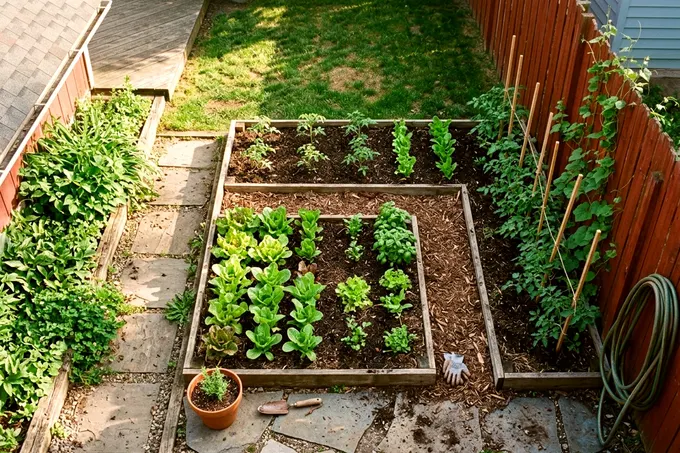
A brick wall facing the afternoon sun holds heat well past sunset, keeping the ground right next to that wall warmer on winter nights. You can build raised garden beds against a south-facing wall to try to keep the soil a little warmer. The concrete foundation of your house also leaks a small amount of heat. Planting tender shrubs near the house gives them a better chance of survival.
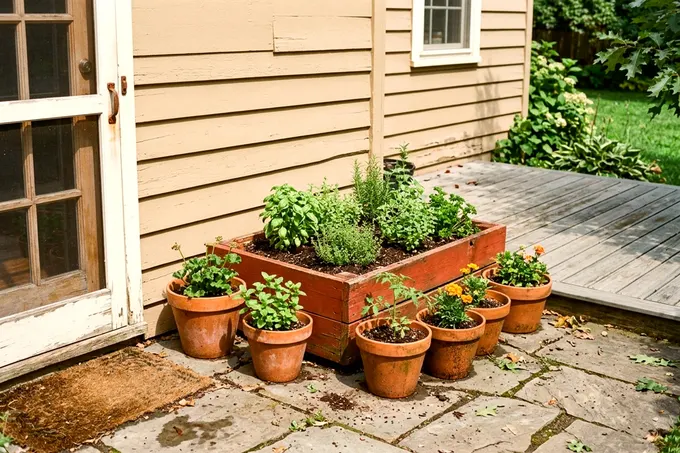
A hard surface absorbs heat too. When you install a paver patio on the sunny side of your house, the stones soak up warmth. Potted plants resting on those stones may stay a little warmer overnight.
Low spots in your yard trap heavy cold air. Frost settles at the bottom of a hill first. These cold pockets act like a colder half zone. Save these areas for your toughest and most resilient native plants.
A solid wood fence can block harsh winter winds and stop evergreens from drying out. Watch where the snow melts first in early spring. That early melt marks the warmest spot in your yard. Use that spot to push your zone limits and plant something special.