- Wild Style Magazine
- Garden Design
- How big a first vegetable garden should be and what goes in it
How big a first vegetable garden should be and what goes in it
A first vegetable garden should be small enough to manage easily, starting with a basic beginner plot and a few forgiving crops that produce well.
Words by Sybil Rademaker7 min to read
A small beginner bed is the best size for a first vegetable garden. It gives you enough space to grow a handful of staple crops without taking up all your weekend free time. You can easily reach the center from any side to pull weeds and pick vegetables.
Start smaller than you think and grow from there
You might want to dig up half the yard and plant long rows of everything. Resist the urge, because a massive dirt plot turns into a massive weed patch by July. A small single bed keeps the physical labor low. Weeding and watering stay quick on a small bed.
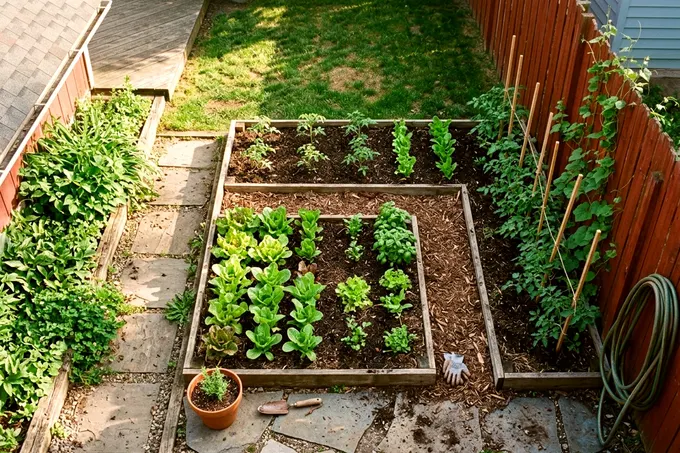
Some beginners give up because a large plot becomes overwhelming. Start with a size that feels slightly too small. You can build raised garden beds if you prefer not to dig into the ground. A raised frame keeps the edges neat and stops lawn grass from creeping into the soil.
Keep a vegetable garden bed narrow enough to reach in from both sides. You never have to step directly on the soil. Stepping on the dirt compacts it and makes it harder for plant roots to push through.
Keep the bed relatively short so the soil volume stays affordable. Filling a larger space requires expensive bulk soil deliveries. A compact plot uses a manageable amount of bagged topsoil and compost. You can haul bagged soil and compost home in a car.
Check sun, water access and shade before choosing the spot
Plants need food and energy to produce a harvest, and that energy comes directly from sunlight. A vegetable garden site should get at least 6 hours of direct sun each day, according to Iowa State University Extension. Watch your yard throughout the day before you break ground. A spot might look sunny at noon but fall under heavy tree shade by the late afternoon.
University of Wisconsin Extension notes that most vegetables need full sun, meaning at least six hours of direct sunlight a day. Track the shadows cast by your house, garage and fences. Remember that the sun travels higher in the sky during the summer than it does in early spring.
Trees pose a particular challenge for picking a spot. Bare branches in early spring let plenty of light through, but they can block much of the sun once they fully leaf out. Look up and map out the tree canopy before you decide where to dig. You might need to place the bed out in the middle of the lawn to escape the shadows.
University of Wisconsin Extension also points out that the site should have a convenient water source such as a hose. Carrying heavy watering cans across a wide lawn gets old fast. Put the bed where your existing outdoor faucet easily reaches.
You will need to water the plants deeply during dry summer weeks. A long garden hose with a spray nozzle makes this a simple evening routine. You can also lay a soaker hose through the bed and attach it to a timer. A timer does the watering for you if the faucet sits close by.
Test the soil before you plant
You cannot judge soil health just by looking at it. Dirt might look dark and rich but lack the nutrients plants need to grow. University of Wisconsin Extension advises having the soil tested by a certified lab before planting.
A laboratory analysis tells you what amendments to add, showing if your soil needs more nitrogen or a different pH level. Guessing leads to wasted money on fertilizer the ground does not actually need. Follow the lab instructions to mix the right materials into the dirt. Ask the lab how long to wait before you plant.
Gathering a soil sample takes very little effort. Use a clean trowel to scoop a small amount of dirt into a clean bucket, following the lab's sampling instructions. Repeat this in several different spots within your planned garden area. Mix all the scoops together to get a representative sample of the whole bed.
Pack the mixed soil into the small box provided by the testing lab. Mail it off and wait for the results. The report will tell you if the dirt is too acidic or too alkaline. It provides plain instructions on how to correct the balance using basic materials from the hardware store.
Soil that lacks the right nutrients or pH can hold plants back. Fixing the dirt before you plant gives your vegetables the foundation they need to survive hot weather and heavy rain.
Crops that forgive a beginner
Some plants fight disease and poor weather better than others. Pick seeds and young plants that want to grow and produce heavily. Leave tricky items like cauliflower, celery and large melons for another time.
Radishes grow incredibly fast. You can pull them from the ground soon after planting the seeds. They take up very little space and sprout reliably. You can plant a short row regularly to keep a steady supply coming for your salads.
Bush beans are a productive crop for a small bed. They stay short and bushy, so they do not require tall stakes or wires. Push the large seeds into the dirt after all danger of frost has passed. Pick the green beans often and the plant will keep making more.
Cherry tomatoes are a popular choice for a beginner. Buy a small starter plant from a local nursery instead of planting seeds. Give it a simple wire cage to lean on as it grows heavy with fruit. A single healthy cherry tomato plant yields plenty of small tomatoes.
Zucchini plants grow large and yield plenty of squash. One plant can give you plenty of squash. Give it plenty of room to spread its broad leaves over the soil. Check under the massive leaves frequently, as a small squash can grow quickly.
Swiss chard provides fresh greens over a long stretch of the season. You harvest it by snapping off the outer leaves and leaving the center to keep growing. The stalks come in red, yellow and white, adding a nice flash of color to the bed.
How many plants fit in a beginner plot
Plants look tiny in small plastic nursery pots. They grow massive by late summer and crowd each other out if you place them too close together. A small beginner bed gives you a limited amount of dirt. That fills up faster than you expect.
You need to leave walking room between the crops so you can harvest. A cherry tomato plant needs a large footprint to itself. It requires good air flow around the leaves to stop fungal diseases from taking hold. Place the tomato plant on the north side of the bed so it does not cast a shadow over the shorter vegetables.
A single zucchini plant takes up a similar wide block of dirt. Position it in a corner where it can spill over the edge of the bed onto the lawn. This keeps its giant leaves from smothering the delicate plants next to it.
That leaves the center of the bed for smaller items like a short row of bush beans. You can tuck a patch of radishes or a few Swiss chard plants into the remaining gaps. Do not pack the bed full. Respect the spacing guidelines printed on the back of the seed packets.
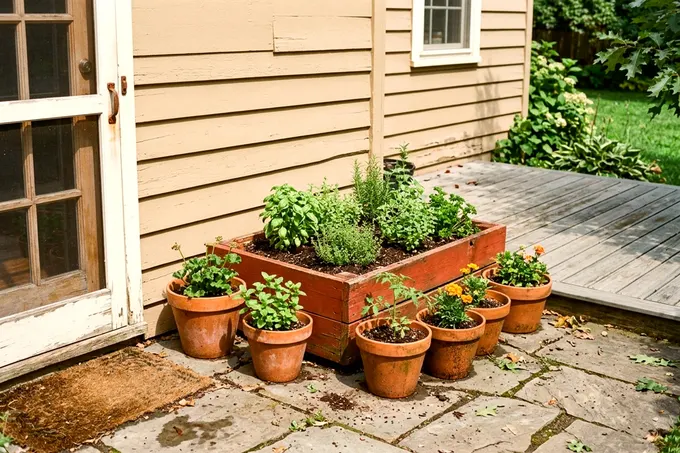
Keep your herbs separate from this main bed. You are better off starting an herb garden in small pots on the patio. Mint spreads aggressively and can choke out your vegetables if you give it the chance.
Add one new crop each season
A successful first harvest builds your confidence. You learn how to spot bugs, when to water and how to pull weeds by the roots. Keep your core crops the same the next spring. Growing familiar plants gives you a reliable base of food you already know how to handle.
Pick a single new vegetable to try rather than buying a large pile of random seed packets. You might add cucumbers to a corner trellis. You could plant a row of carrots in the loose soil to see how they form. Focus your attention on learning the quirks of that single addition.
Learning a new plant keeps the work manageable. You figure out its specific watering needs and common pests. Slow expansion prevents the garden from becoming a chore.
Pay attention to where you place the crops each season. Move the tomato plant to a different spot in the bed the following spring. Rotating the plant locations can help keep soil diseases from building up in one specific corner. It can also keep one type of vegetable from draining the nutrients it favors from the dirt.
Bugs will eat a few leaves and a sudden storm might snap a stem. Starting small ensures these minor setbacks do not ruin the entire project. You can always dig another bed when you feel ready to take on more space.